Asian Trilogy Peak Challenge
Asia is home to some of the world’s most breathtaking mountains, each rich in natural beauty, cultural significance, and history. Among them, Mount Kinabalu, Mount Yushan, and Mount Fuji stand out as iconic peaks that attract hikers, nature lovers, and spiritual pilgrims alike. The Asian Trilogy Peak Challenge which comprises three magnificent summits of Asia including Mount Kinabalu in Malaysia, Mount Yu Shan in Taiwan and Mount Fuji in Japan created by SGTREK an outdoor travel platform based in Singapore to summit all 3 mountains within 3 years from the first summit.
Mount Kinabalu
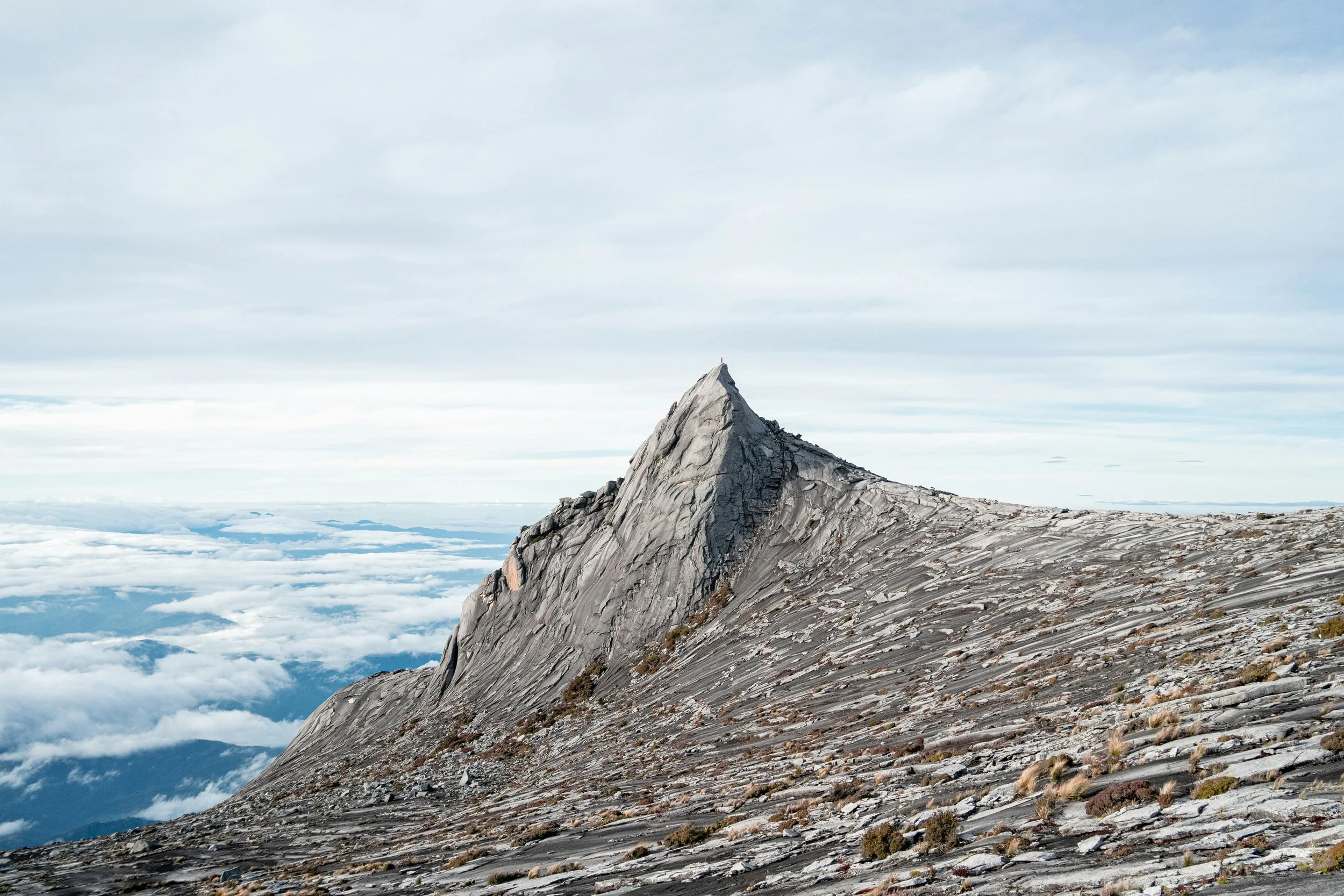
Mount Kinabalu is the tallest of the three mountains, rising to 4,095 meters above sea level. It is the highest mountain in Malaysia, located on the island of Borneo in the state of Sabah. The mountain’s name is believed to be derived from the indigenous Kadazan-Dusun term “Aki Nabalu,” meaning “the revered place of the dead.” According to local beliefs, the spirits of the deceased rest here before passing into the afterlife.
Mount Kinabalu is surrounded by Kinabalu Park, a UNESCO World Heritage Site recognized for its extraordinary biodiversity. The park is home to thousands of plant species, including rare orchids and carnivorous pitcher plants, as well as diverse wildlife. Climbers often experience multiple ecological zones—from tropical rainforest to alpine terrain—within a single ascent.
The summit, known as Low’s Peak, is so culturally significant that it appears on the 100 Malaysian ringgit banknote. Don’t forget to commemorate the moment by photographing the summit alongside the banknote itself!
Mount Yu Shan
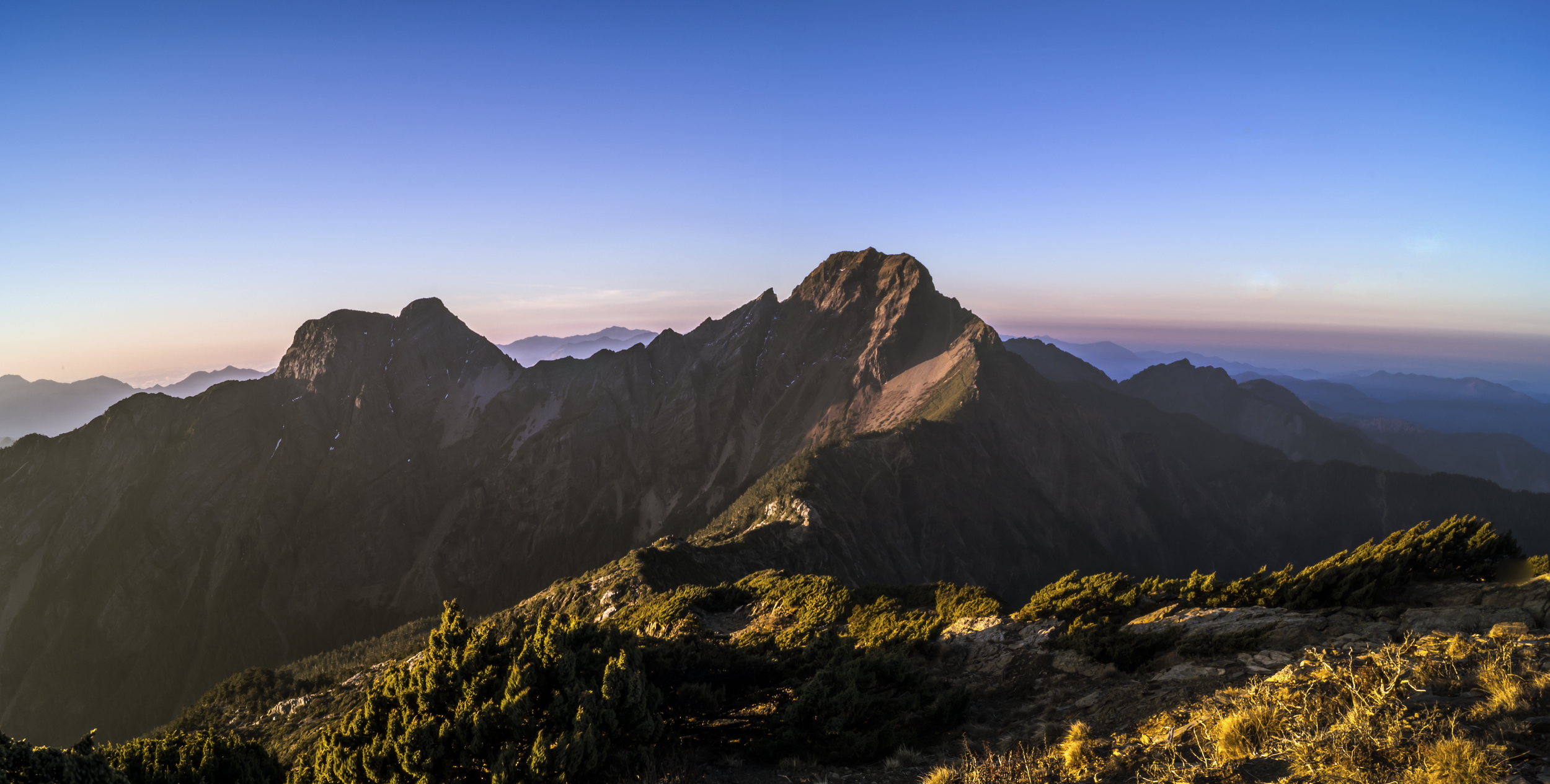
Mount Yushan, also known as Jade Mountain, is the highest mountain in Taiwan, standing at 3,952 meters above sea level. It is located within Yushan National Park in the central mountainous region of southern Taiwan.
The mountain’s name comes from its winter appearance—when snow covers the peak, it takes on a shimmering, jade-like glow. Mount Yushan holds great national significance and offers a variety of climbing routes, ranging from well-maintained trails to more technical ascents. On clear days, climbers are rewarded with sweeping views of Taiwan’s rugged interior, and during certain seasons, spectacular sunrises and sea-of-clouds phenomena.
Mount Fuji
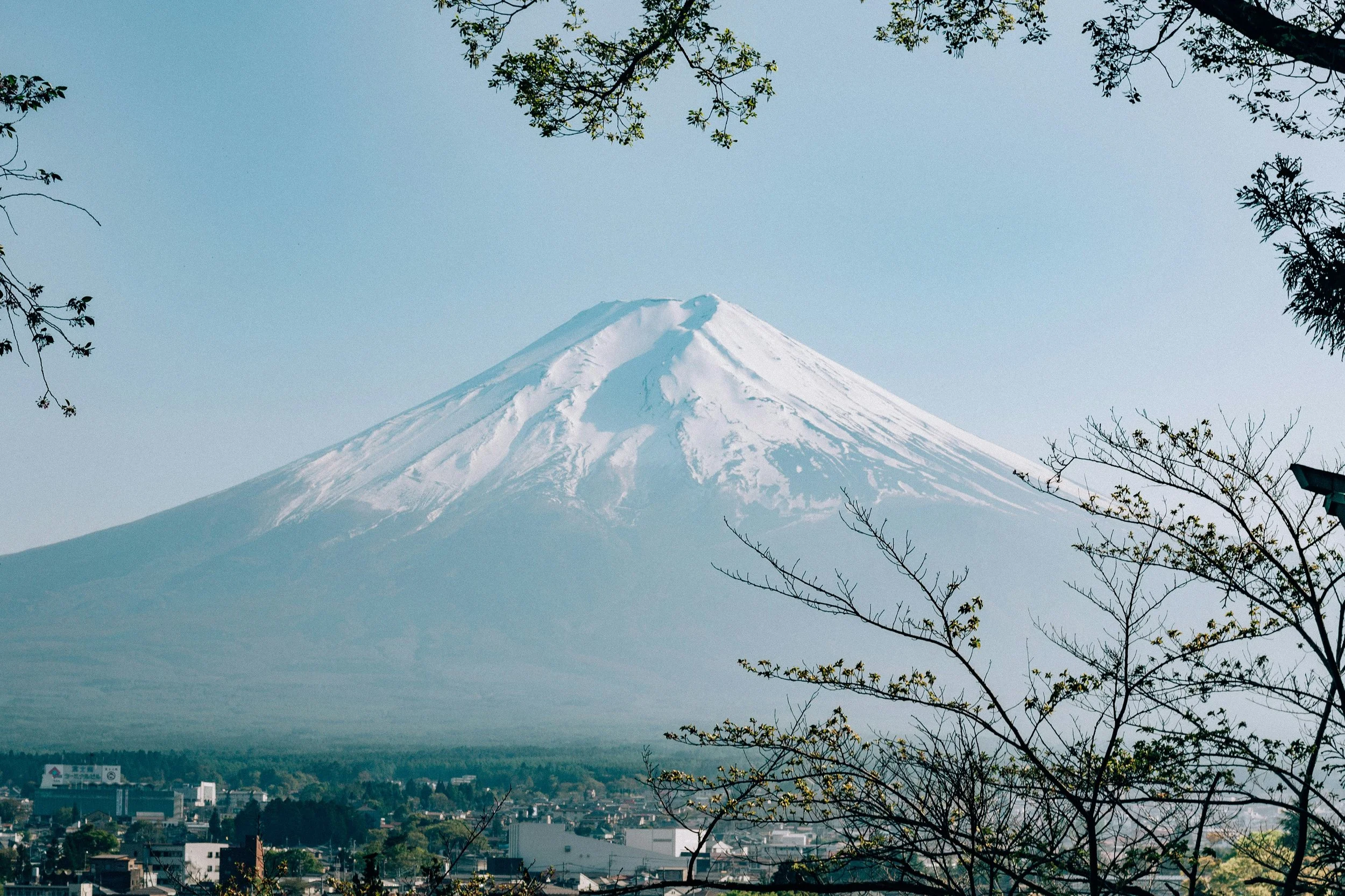
Mount Fuji is one of the most iconic mountains in the world and a symbol of Japan’s natural and spiritual heritage. Standing at 3,776 meters, it is the highest mountain in Japan, located on the island of Honshu.
The name Fuji is often associated with meanings such as wealth or abundance, and the mountain is considered one of Japan’s three sacred mountains. Its near-perfect symmetrical shape has inspired centuries of art, poetry, and pilgrimage. Each year, hundreds of thousands of climbers ascend Mount Fuji during its official climbing season, which runs from July to early September. Despite its popularity, reaching the summit remains a deeply personal and meaningful experience for many.